Latin Vulgate of St. Jerome
Commissioned by Pope Damasus I in 382 AD, Jerome translated the Hebrew Old Testament directly into common Latin, defining Western Christendom for a millennium.
What Texts and Translations Did This Version Use?
The foundational manuscripts, earlier translations, and polyglots consulted during compilation.
Who In The Future Used This Translation?
Modern revisions, authorized successors, and descendants shaped by this text.
Translators & Committees
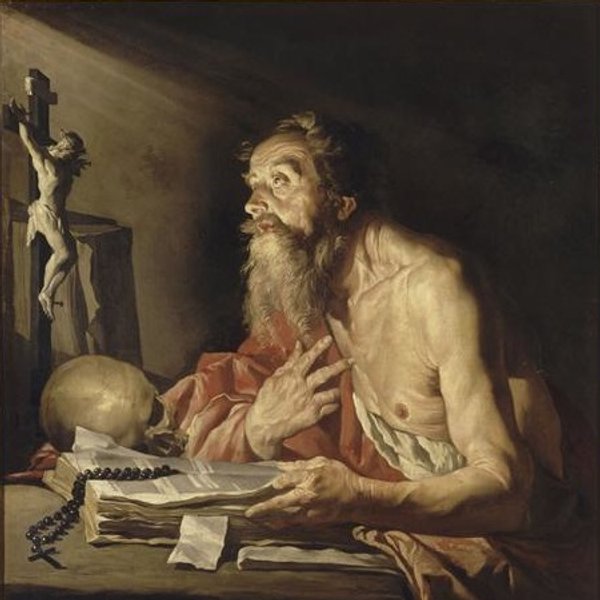
Saint Jerome (Eusebius Sophronius Hieronymus)
Doctor of the Church & Translator of the Vulgate
347 – 420 • Illyrian / Roman
"Ignorance of Scripture is ignorance of Christ."
Born in Stridon in Dalmatia, Jerome was one of the greatest linguistic scholars of the ancient world. Master of Latin, Greek, Hebrew, and Aramaic, he was commissioned in 382 AD by Pope Damasus I to produce an authoritative revision of the old Latin Bible. Jerome undertook the revolutionary decision to bypass the Greek Septuagint and translate the Old Testament directly from the Hebrew manuscripts preserved by Jewish communities. Working in a cave in Bethlehem, he laboured for over twenty years to complete what would become the Latin Vulgate, which shaped European Christianity and culture for over a millennium.
Read full biographyHistorical Context & Textual Significance
Shaped Western civilization, theological vocabulary (e.g., sacramentum, praedestinatio, gratia), and served as the direct source for Wycliffe’s English Bible and Gutenberg’s first printed book.
Where Can You View Original Surviving Copies Today?
Known physical copies preserved in world archives and library vaults.