Trace the Lineage of the
Sacred Scriptures & Promised Seed
From the Edenic promise of Genesis 3:15 down through biblical generations and thousands of years of manuscript transmission, explore the interactive ancestry of the Promised Seed and the living history of Bible translations.
The Lineage of the Promised Seed
In Genesis 3:15, God decreed the prophecy of the “Seed of the Woman” who would crush the serpent’s head. Explore the complete generational descent from Adam down to Jesus Christ, featuring the dual divergence through Solomon (Matthew 1 royal line) and Nathan (Luke 3 physical line), contemporary patriarch lifespan overlaps, 10 divine covenants, and 13 historical crises.
Dual Lineages
Solomon provides the legal title to David's throne (Joseph), while Nathan provides the biological descent of Mary.
Living Chain of Ages
Only two intermediate links—Methuselah and Shem—spanned the eyewitness transmission from Adam all the way to Abraham.
10 Divine Covenants
Trace the covenantal promises through Noah, Abraham, Isaac, Jacob, Judah, David, and the New Covenant in Christ.
13 Endangerments
Explore every crisis where the Seed line faced demonic annihilation—from Cain and Athaliah to Herod and the Cross.
What Made the King James Bible of 1611?
When King James I commissioned 47 scholars across Westminster, Oxford, and Cambridge, they did not work in a vacuum. By royal rule, they took the 1568 Bishops’ Bible as their official base, yet computer analysis proves that over 84% of their New Testament was borrowed directly from William Tyndale’s 1526 translation.
King James Bible (1611)
Translated by 47 scholars across 6 companies • 7 years in production
Explore Featured Exhibitions
Step into the dramatic historical moments when scholars, monks, and martyrs risked everything to transmit sacred scripture.

The Making of the King James Bible (1611)
Explore the antecedents, political intrigue, scholarly companies, and previous translations that converged to create the Authorized Version of 1611.

The Forbidden Word: Smuggling Tyndale’s Bible
How William Tyndale defied kings and bishops, fled across Germany, and had thousands of copies secretly smuggled into London inside grain sacks.

The Great Parchment Codices of Antiquity
Witness the 4th-century uncial manuscripts that revolutionized modern Bible translation in the 19th and 20th centuries.
The Hall of Translators
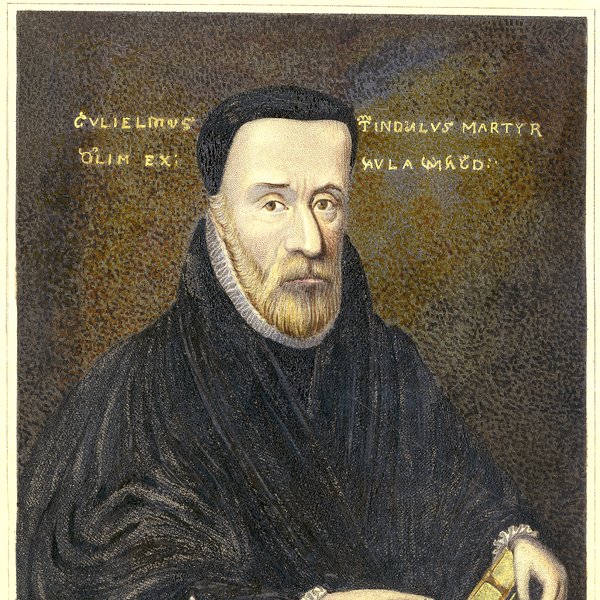
William Tyndale
Father of the English Bible & Protestant Reformer
1494 – 1536 • English
"If God spare my life, ere many years I will cause a boy that driveth the plough shall know more of the scripture than thou dost."
Read Full Biography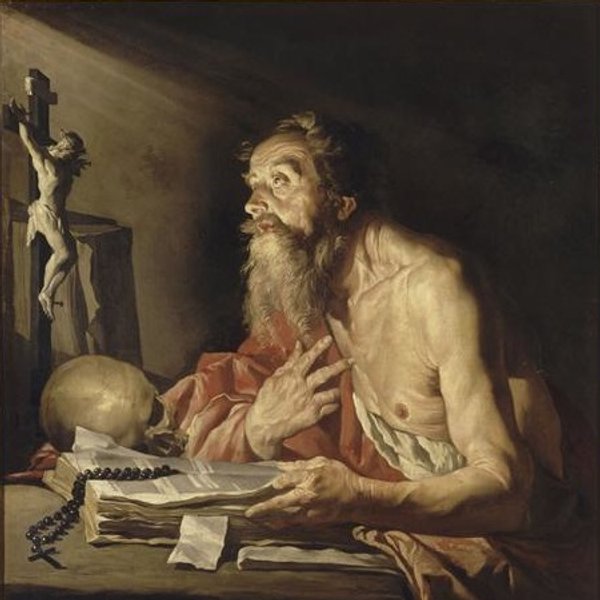
Saint Jerome (Eusebius Sophronius Hieronymus)
Doctor of the Church & Translator of the Vulgate
347 – 420 • Illyrian / Roman
"Ignorance of Scripture is ignorance of Christ."
Read Full Biography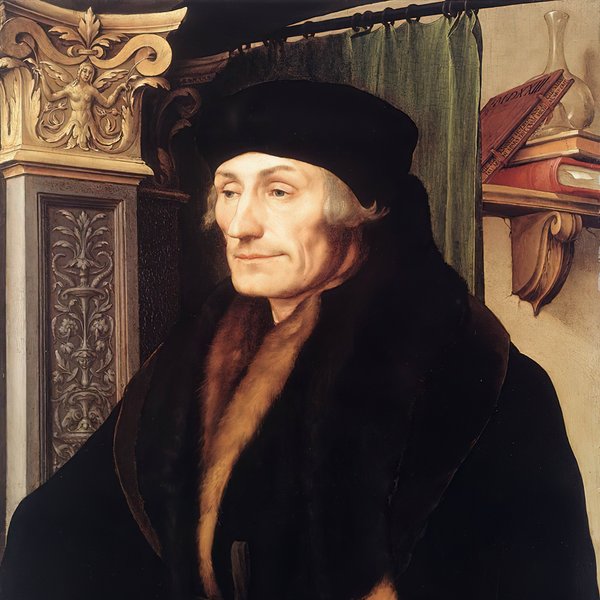
Desiderius Erasmus of Rotterdam
Prince of the Humanists & Renaissance Scholar
1466 – 1536 • Dutch
"I would that the farmer sing parts of the scriptures at the plow, that the weaver hum them to the tune of his shuttle, that the traveler beguile with their stories the weariness of his journey."
Read Full Biography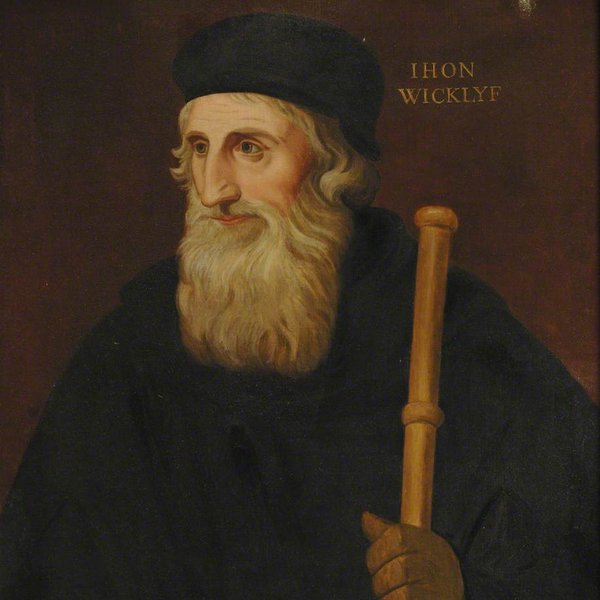
John Wycliffe
Morning Star of the Reformation
1328 – 1384 • English
"This Bible is for the government of the people, by the people, and for the people."
Read Full Biography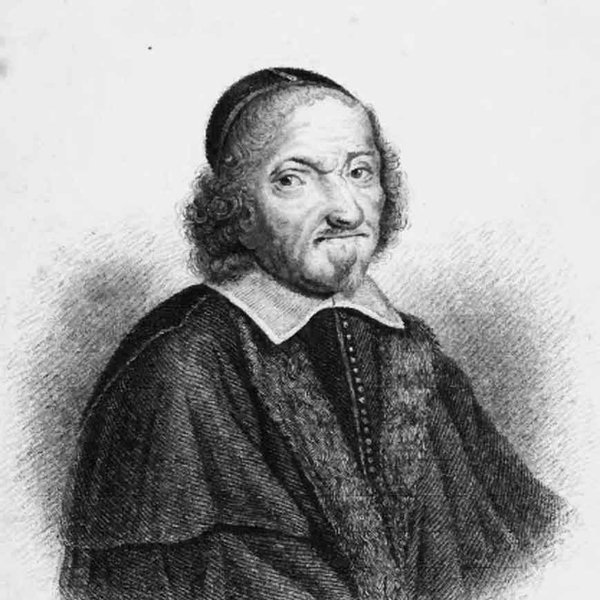
Myles Coverdale
Bishop of Exeter & Translator
1488 – 1569 • English
"Let not the reader be offended with diversity of translations, for it helpeth much to the understanding of the text."
Read Full Biography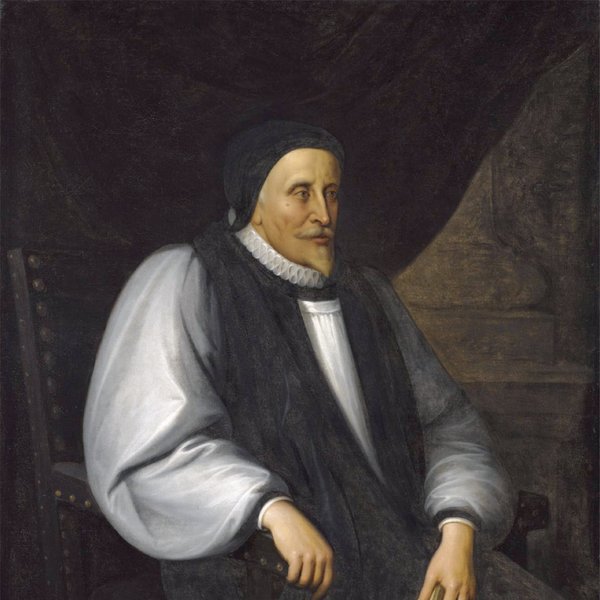
Lancelot Andrewes
Dean of Westminster & Director of KJV First Westminster Company
1555 – 1626 • English
"He is not a preacher that cannot speak to all sorts of people; he is not a scholar that cannot read all sorts of books."
Read Full Biography