King James Version (Authorized Version)
Commissioned by King James I at the Hampton Court Conference of 1604, translated by 47 scholars in six companies; the most influential book in the English language.
What Texts and Translations Did This Version Use?
The foundational manuscripts, earlier translations, and polyglots consulted during compilation.
The Bishops' Bible
Rule 1 of the royal charter designated the 1568 Bishops' Bible as the official base text to be followed unless the original languages dictated change.
Tyndale New Testament & Pentateuch
Computer textual analysis demonstrates that approximately 84% of the King James New Testament and 76% of the Old Testament is William Tyndale's phrasing word-for-word.
Geneva Bible
The KJV translators extensively consulted the Geneva Bible, adopting its precise linguistic renderings in hundreds of passages despite King James's personal dislike of its marginal notes.
Coverdale Bible
The KJV committee drew upon Coverdale's lyrical cadence, especially in the Psalms and lyrical poetic passages.
Erasmus Greek New Testament (Novum Instrumentum)
The KJV New Testament was translated from the Textus Receptus editions of Robert Stephanus (1550) and Theodore Beza (1598), direct descendants of Erasmus's Greek NT.
Bomberg Second Rabbinic Bible (Mikraot Gedolot)
The KJV Old Testament companies at Westminster and Oxford used the Bomberg Second Rabbinic Bible (ben Hayyim Masoretic text) as their Hebrew foundation.
Who In The Future Used This Translation?
Modern revisions, authorized successors, and descendants shaped by this text.
Revised Version (English Revised Version)
The 1881 Revised Version was the first official authorized revision of the 1611 King James Bible in English history.
New King James Version
The NKJV updated the 1611 KJV's vocabulary and grammar while maintaining complete allegiance to the traditional Textus Receptus Greek text.
Translators & Committees
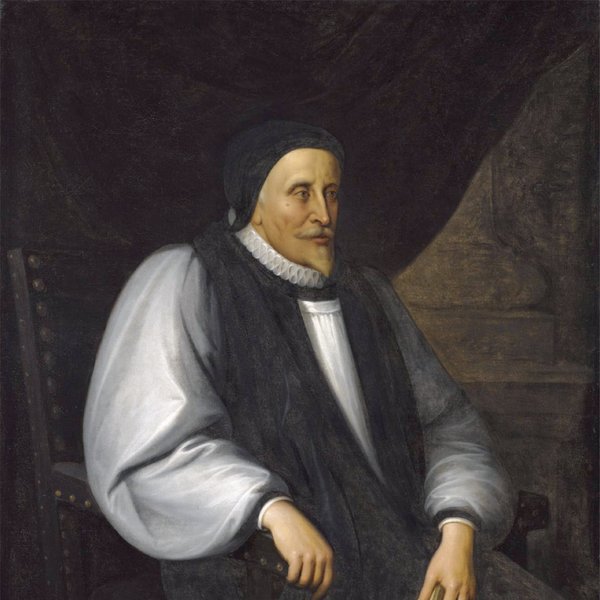
Lancelot Andrewes
Dean of Westminster & Director of KJV First Westminster Company
1555 – 1626 • English
"He is not a preacher that cannot speak to all sorts of people; he is not a scholar that cannot read all sorts of books."
Lancelot Andrewes was Bishop of Winchester and one of the supreme minds of the Jacobean Church. When King James I sanctioned a new translation of the Bible at Hampton Court in 1604, Andrewes was appointed to direct the First Westminster Company, responsible for the Old Testament from Genesis to Second Kings. Renowned for his mastery of Hebrew, Aramaic, Greek, Latin, and Syriac, Andrewes and his committee met regularly in the Jerusalem Chamber at Westminster Abbey, reading every translated verse aloud to ensure that its cadences were magnificent when spoken in church.
Read full biographyHistorical Context & Textual Significance
Unrivaled literary and religious monument of the English-speaking world. For over three centuries, it shaped the English language, prose style, and Western cultural imagination.
Where Can You View Original Surviving Copies Today?
Known physical copies preserved in world archives and library vaults.