The Great Bible (Cranmer's Bible)
The first authorized Bible of the Church of England, physically chained to church lecterns throughout the realm by order of King Henry VIII.
What Texts and Translations Did This Version Use?
The foundational manuscripts, earlier translations, and polyglots consulted during compilation.
Who In The Future Used This Translation?
Modern revisions, authorized successors, and descendants shaped by this text.
Geneva Bible
Geneva translators consulted the Great Bible while substantially improving accuracy from original languages.
The Bishops' Bible
The Bishops' Bible was commissioned as an official ecclesiastical revision of the Great Bible to counter the Geneva Bible.
Translators & Committees
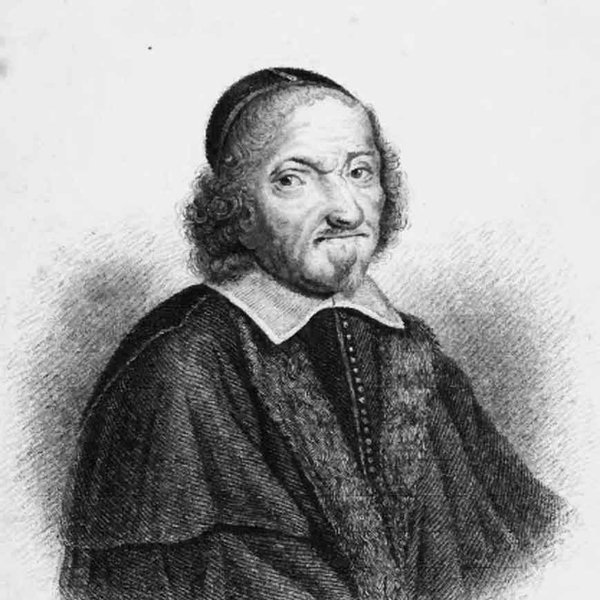
Myles Coverdale
Bishop of Exeter & Translator
1488 – 1569 • English
"Let not the reader be offended with diversity of translations, for it helpeth much to the understanding of the text."
Myles Coverdale was a graduate of Cambridge University and an Augustinian friar who became an ardent reformer. When William Tyndale was imprisoned, Coverdale completed the monumental task of printing the first entire English Bible in 1535. Coverdale was also commissioned by Thomas Cromwell to edit the Great Bible of 1539. A gifted stylist with a poet's ear, Coverdale’s rhythmic translation of the Psalms was incorporated into the 1662 Book of Common Prayer and remained the liturgical standard of the Anglican Church for over four centuries.
Read full biographyHistorical Context & Textual Significance
First officially authorized English Bible; established the public communal reading of English scripture.
Where Can You View Original Surviving Copies Today?
Known physical copies preserved in world archives and library vaults.